For every marketer looking to the next viral craze, there’s always that one old faithful friend: the inbox. Litmus’s 2024 industry survey found that email marketing generates a 36 to 42 ROAS which is more than paid search, social ads and display together. It’s not something that just happens to return and it’s not a viral moment or a huge budget to make it return.
Daily techify guides and explains exactly what email marketing is, the step-by-step process of creating a real email marketing campaign and why it continues to outperform more flashy marketing channels into 2026. From first-time newsletter senders to those stuck with a stagnant list, you’ll come away with a clear, actionable understanding of how this channel truly functions.
What Is Email Marketing?
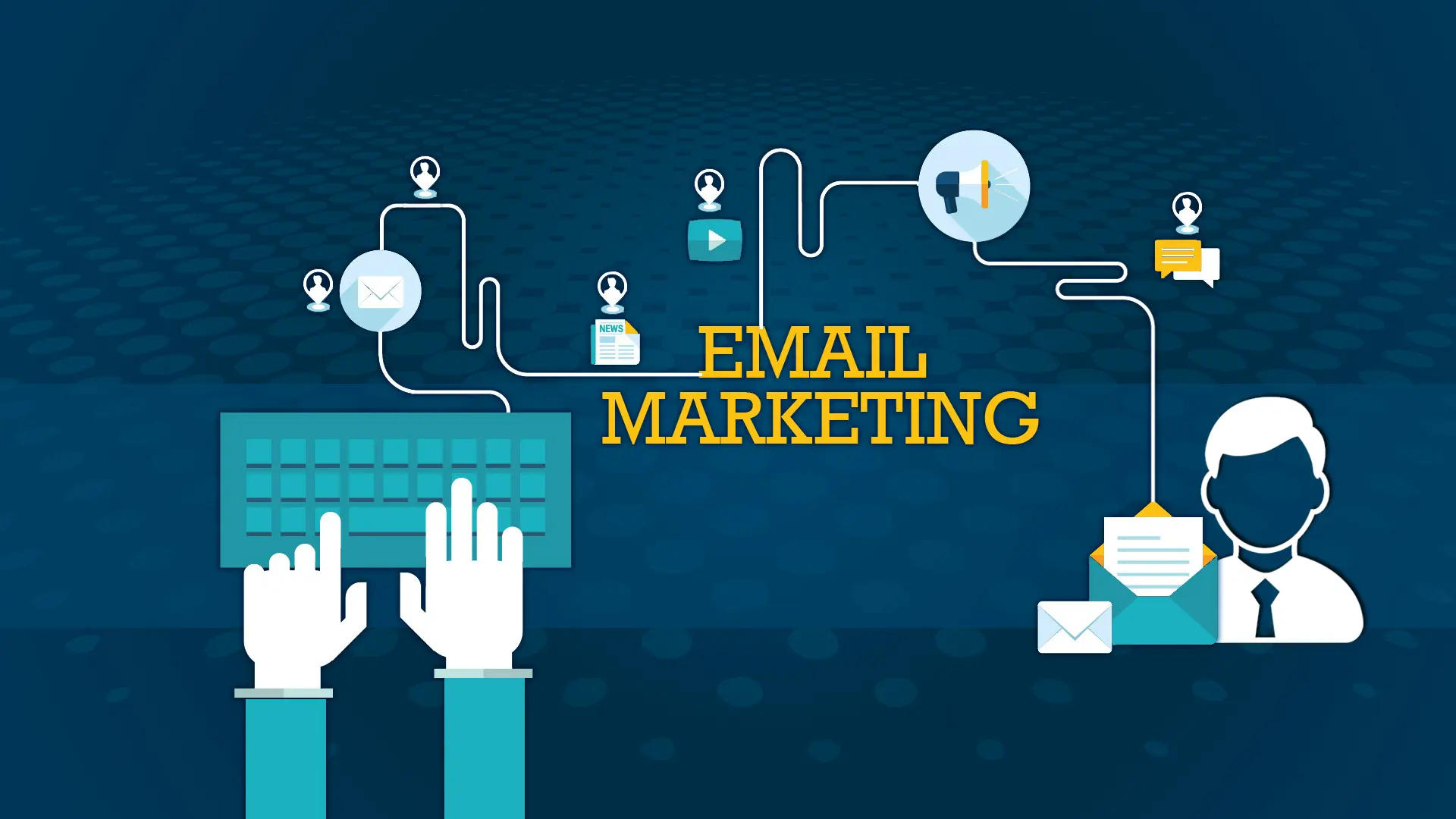
Email marketing involves sending targeted, consent-driven messages to a list of subscribers for the purpose of establishing relationships, selling products or products and services or bringing in measurable revenue. It’s not social media, it operates on your audience, on your servers and it’s not subject to changes of algorithm or site shutdown.
How Email Marketing Fits Into Digital Marketing Strategy
People may come to your brand through paid ads and social posts but they stay with your brand through email. Most digital strategies will drive traffic to an email list because there is no platform fee to be paid that will diminish your reach. The email list is the one that you control 100%.
Types of Marketing Emails
Newsletters maintain the interest of readers by sending them periodic updates, tips or selected content without forcing a sales pitch on them. Promotional emails give a discount, launch or limited-time offer with a view to getting an immediate response. Transactional emails are confirmations of orders, shipping or reset of passwords and typically have much higher open rates because the subscriber has been waiting for and is expecting such emails. Automated emails are sent automatically depending on subscriber actions, a welcome series or a reminder to complete that purchase that was abandoned.
What Is an Email Campaign?
An email campaign is a series (or a single send) that is scheduled for a targeted segment of your audience with a specific purpose. An entire newsletter is a campaign and a five-email product launch sequence over two weeks is a campaign.
Key Elements of a Successful Email Campaign
The subject line is the first thing that your recipients will see when they get the e-mail and it is the most critical element of an e-mail message to test. It is important to segment the list of recipients so that a targeted message goes to a targeted recipient. A good call-to-action helps the reader understand the next step he should take. Good design will make sure that the message will be readable on his phone’s tiny screen.
Types of Email Campaigns
Welcome series are sent to new subscribers to your brand, and they typically have some of the highest open rates of all email types. Abandoned cart emails are an effective way to get customers to return to their cart that they lost to the checkout process, typically within a few hours. Promotional campaigns focus on sales or a launch to generate immediate revenue and drip campaigns are designed to drip-feed leads over days or weeks to the point where they are prepared to purchase.
How Does Email Marketing Work? (Step-by-Step)
Building an Email List
Permission is the first step to every successful campaign not someone who has purchased an email list of strangers. A clear incentive for visitors to hand over their email addresses is the incentive base they provide for maintaining deliverability in the future are lead magnets, signup forms and gated content.
Segmentation & Personalization
In comparison to generic, one-size-fits-all campaigns sent to whole lists, segmented campaigns can yield as much as 760% higher revenue. Dividing subscribers based on purchase history, level of engagement or stated interests will allow you to send relevant not ignored, messages.
Designing & Sending Campaigns
A significant 62% of all email opens now happen on mobile devices, meaning half of your audience will be lost as soon as they open the email on their phone. Don’t let your subject lines be too long, your buttons too small to click and the main content scroll off the screen before you hit the send button.
Tracking Performance
Open Rate indicates how many people viewed your subject line and opted to open your email but now Apple’s Mail Privacy Protection makes that number look much larger. Click-through rate (CTR) and click-to-open rate (CTOR) are much more accurate indicators of engagement because they measure actual engagement not a background pixel load.
Advantages and Disadvantages of Email Marketing
Each channel carries with it pros and cons and when you understand all the advantages and disadvantages of email marketing, you can set realistic expectations before developing your strategy around email marketing
Advantages of Email Marketing
- ROI: Email has the highest ROI of any other digital marketing channel tracked by DMA and Litmus, with a return of $36 to $42 per $1 invested.
- Owned audience: Your list is your list not a platform with its algorithm that can be changed or its service that can be terminated.
- Measurable and automatable: All opens, clicks and conversions are measurable and can be automated and run daily.
- Personalization at scale: Dynamic content and segmentation allow you to communicate as if your message was designed for each one of thousands of subscribers.
| Channel | Average ROI per $1 Spent |
|---|---|
| Email Marketing | $36 – $42 |
| Social Media Advertising | $2.80 |
| Paid Search | $2.00 |
| Display Advertising | $1.35 |
Disadvantages of Email Marketing
- Deliverability issues: An open rate is less reliable and placement in the Inbox is more difficult to ensure due to spam filtering and Apple’s Mail Privacy Protection.
- List decay: People will automatically unsubscribe or fall out of your list over time, so having a list that grows should exceed the number of people falling out of the list.
- Consistent content creation: Regular content flow but smaller teams are spread thin without a plan.
- Fatigue risk: If you send them too many messages or not very relevant ones they will end up in the unsubscribe or ignore buttons.
Email Marketing Trends in 2026
From subject lines to send times, AI-driven personalization is influencing all these areas and there’s evidence that organizations that leverage AI-generated subject lines can achieve an approximately 26% increase in open rates compared with those that craft them by hand. Every aspect of mobile-first is essential because most opens continue to take place on a phone screen not a desktop inbox!
Authentication has become much more stringent, as Google and Yahoo have already implemented measures that involve DMARC and DKIM standards to decide whether your emails end up in the spam folder or in the inbox. Interactive, AMP-powered email unlocks a mini landing page by allowing subscribers to shop products, complete forms and RSVP without leaving their inbox.
Email Marketing Best Practices for Beginners
Before choosing an email service provider, there are several considerations that you should keep in mind apart from cost. Some of these include email deliverability, reputation and automation capabilities.. It’s best to start small with your first campaign with one clear goal, one segment and one call-to-action, rather than to try to do it all in one send.
Subject lines that are tested with A/B testing eliminate the guesswork of what will be opened and some very minor changes in wording can make several percentage points in a difference in open rates. Compliance is as important as creativity. The basics of GDPR and CAN-SPAM are as simple as providing clear unsubscribe links and proper sender information.
Conclusion
While it may not be the tidiest or prettiest channel in any marketer’s toolbox, email marketing is the one that will continue to be the most profitable in 2026. Creating a real list, carefully segmenting it and sending campaigns that people actually want to open is preferable to running after each new trend across platforms.
In daily techify, you will find information about all the channels and their proper usage with the help of the right technologies and methods. Learn more about marketing automation software and digital marketing fundamentals to complete your marketing strategy.
FAQs
What are the differences between email marketing and email campaign?
Email marketing is the general concept and ongoing process of communication with subscribers through email; an email campaign is one planned email message or a series of emails that fit within the concept of the email marketing.
Will email marketing work in 2026?
Yes, email marketing is still the highest ROI channel of the digital world and continues to generate $36-$42 for every $1 invested based on 2026 industry benchmarks. It is also the owned-audience platform which is much more stable than algorithm-driven platforms.
What are the big drawbacks of email marketing?
Problems with deliverability because of spam filters, list decay because of unsubscription rates and always having to produce content that is both relevant and non-repetitive are the greatest challenges.
What is the price of email marketing for small businesses?
Depending on how large a list a small business needs or what features it requires most spend anywhere from $20 to $300 per month on an email service provider. With the average return per dollar ranging from $36 to $42, a small monthly investment can earn you some serious money if the list is well segmented.